Prototyping Workshop with YiPai Community
Recently I traveled to Zigong, China, with longtime colleagues Mike Petrich and Sebastian Martin, to co-lead an experimental workshop on prototyping new tinkerable exhibits, programs and installations. The workshop attendees consisted of the team from the YiPai project and their artist or exhibit fabrication partners who are working together towards building a creative and caring community at the Yidan Center, which is currently under construction in Shenzen.
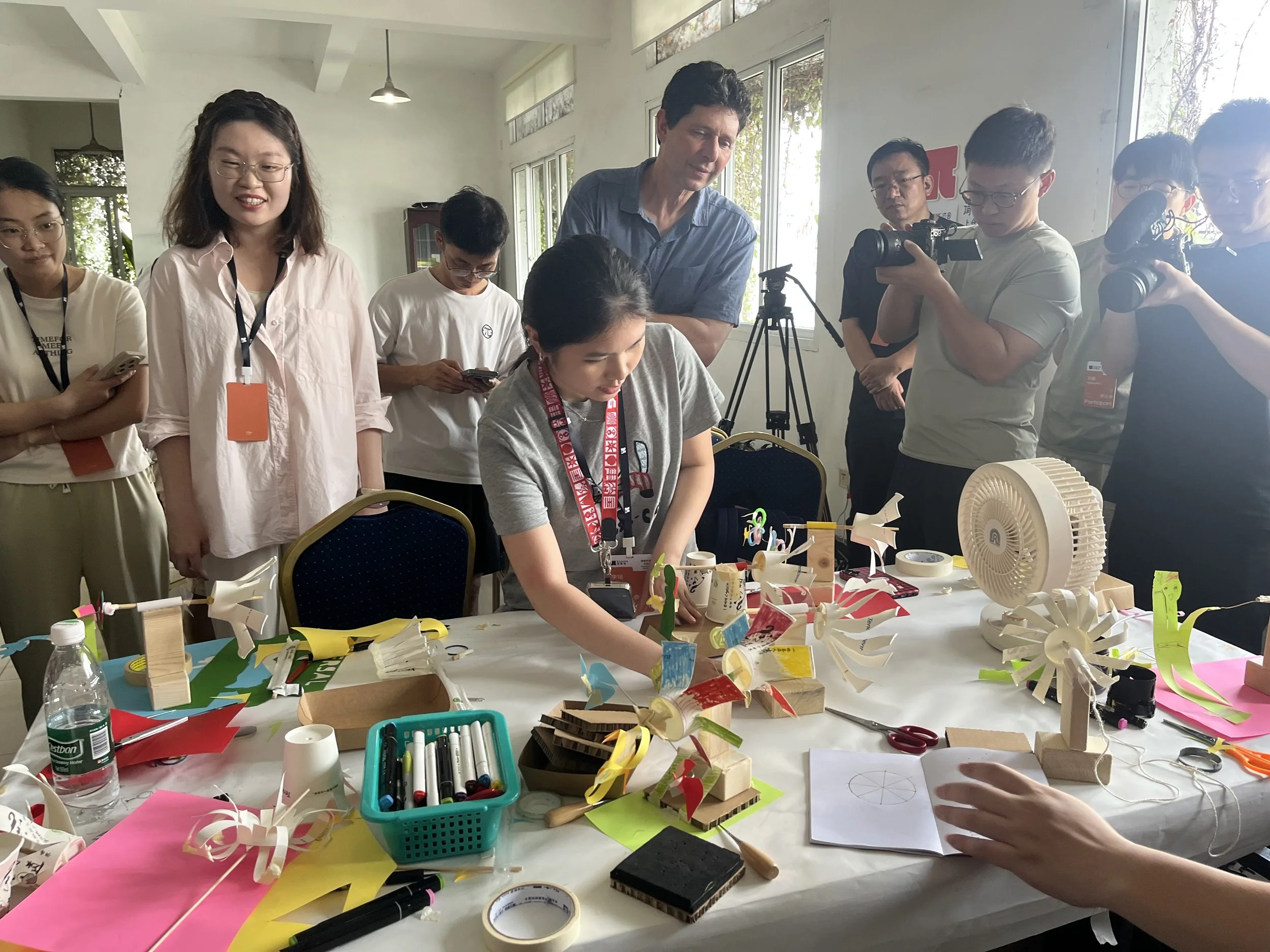
The idea of setting up an open ended environment for prototyping was a challenge, and as we started to plan out the schedule, it became clear that the workshop would require a different approach than a traditional ‘art of tinkering’ workshop or WICO professional development session. In addition to engaging the group in existing tinkering activities and reflecting together on learning goals and outcomes we also supported participants to start practicing the role of exhibit developer or crafter of new creative learning experiences.
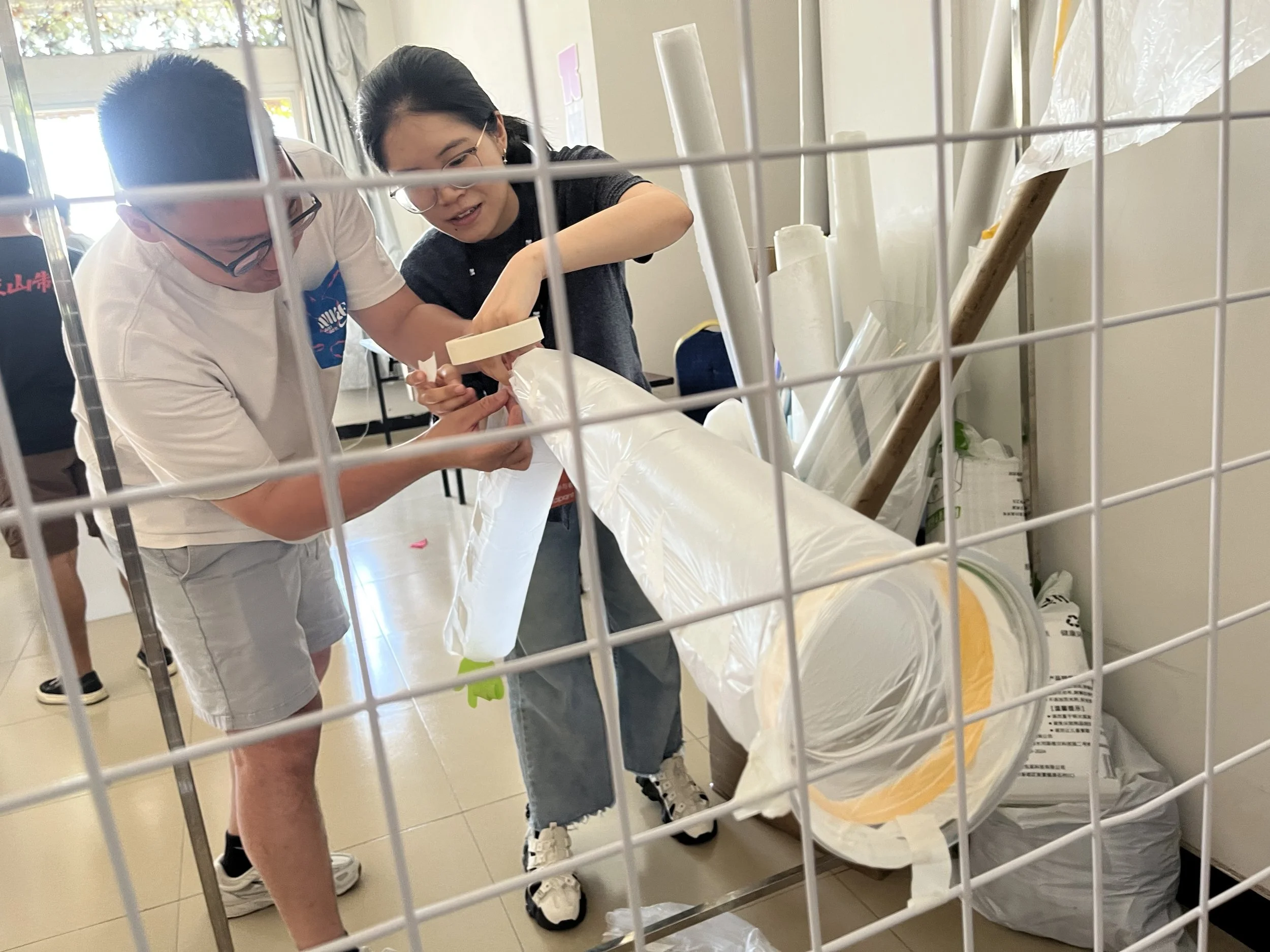
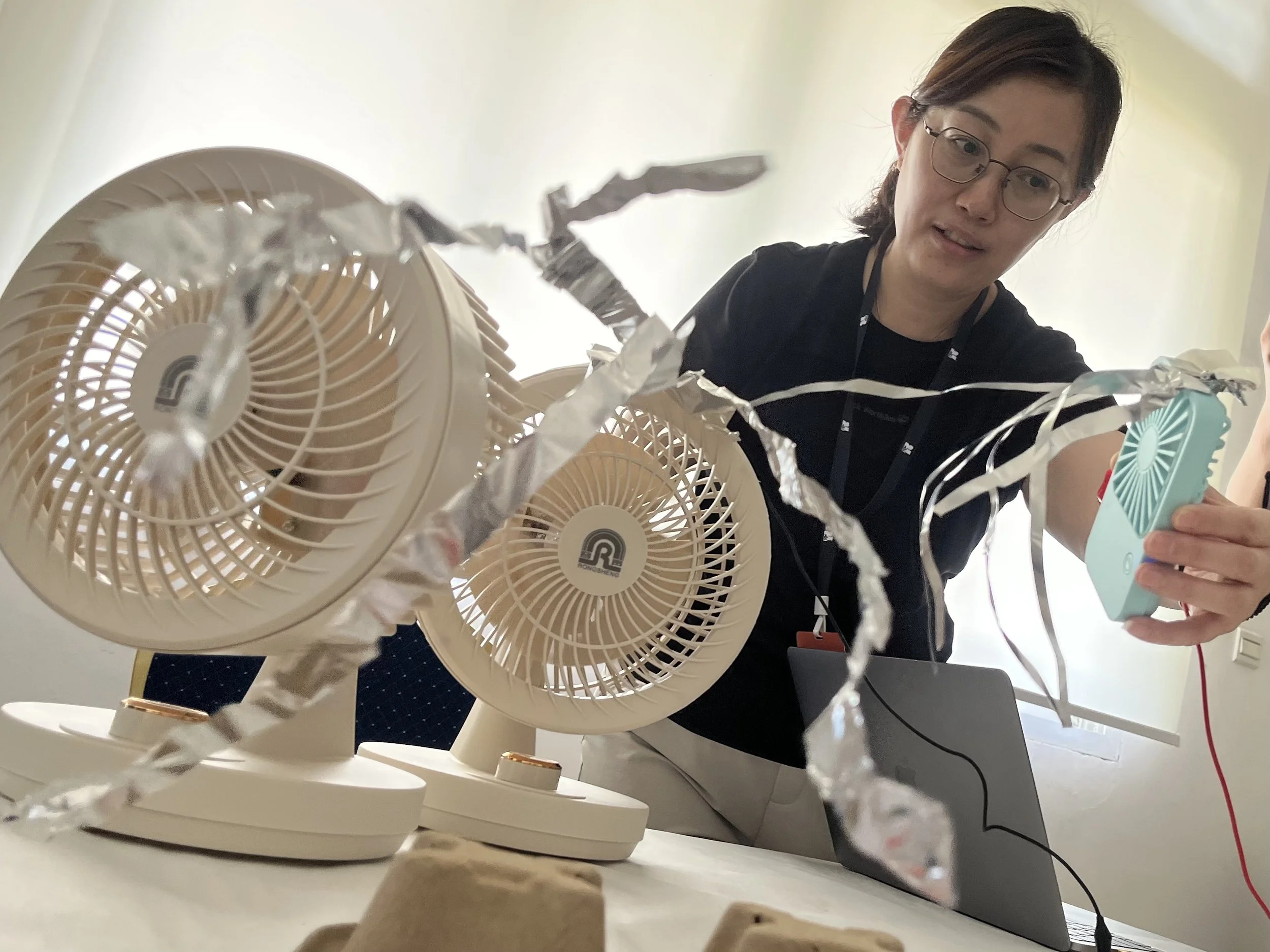
As a starting point, we divided up the six days of the workshop into two overarching themes, light/shadow and wind/water/sun and progressed through the same general workshop structure twice. We spent time on welcoming activities, exploring varied phenomenon, focusing on developing prototypes and making plans for the next steps. Here are a few takeaways and highlights from the workshop. The repeating structure of the workshop also helped participants become more familiar with the process and took a bit of pressure off each individual project.
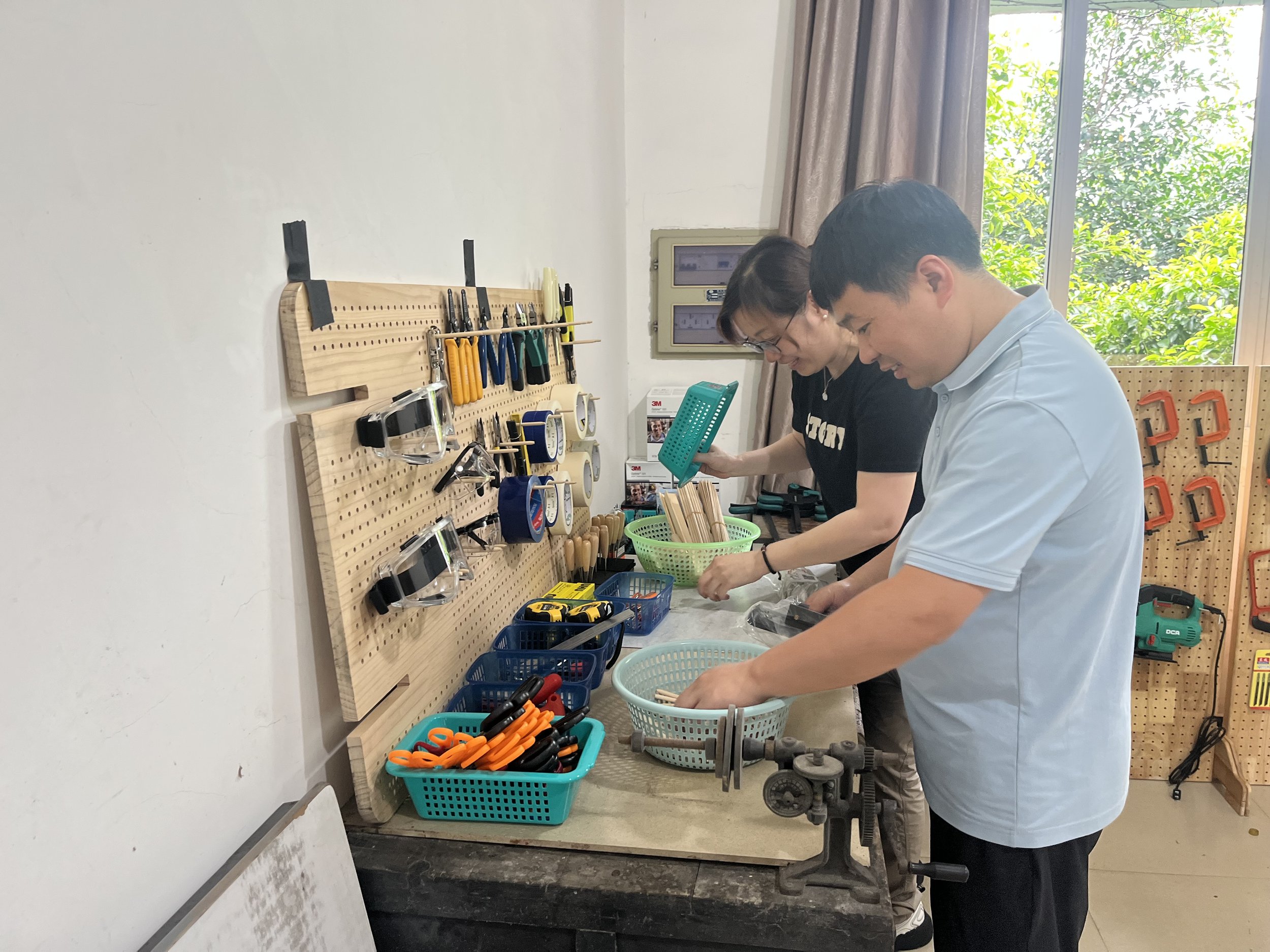
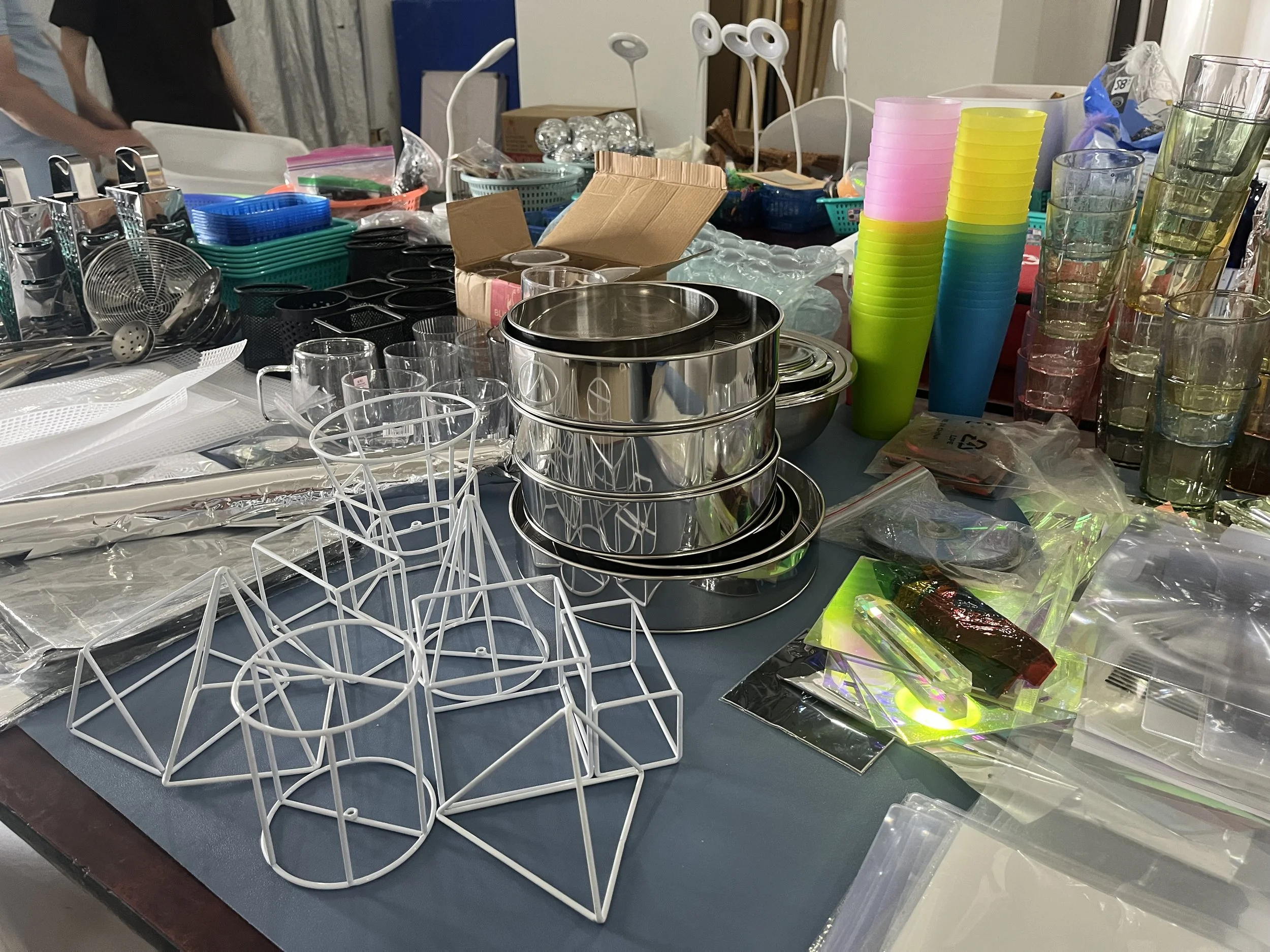
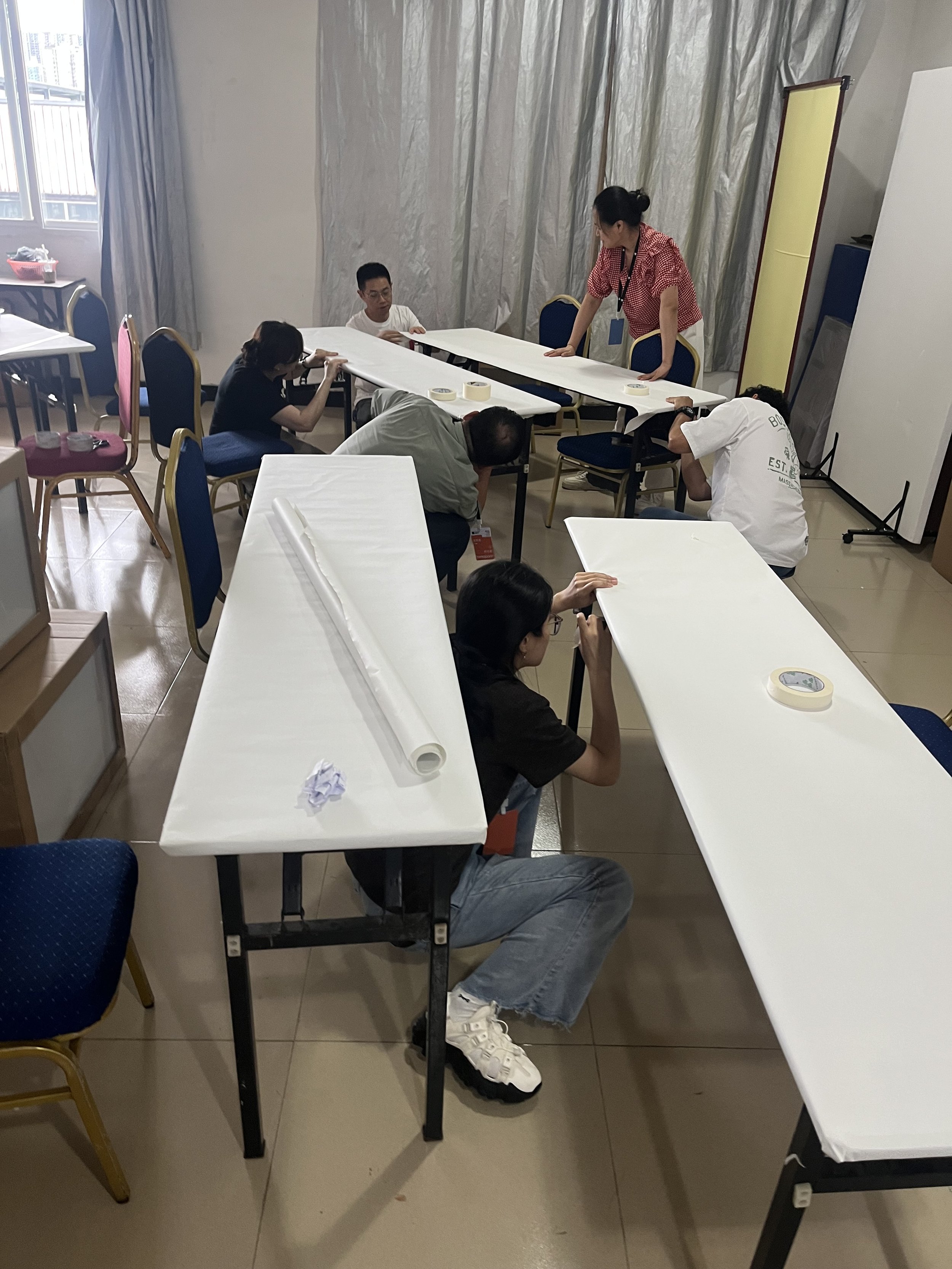
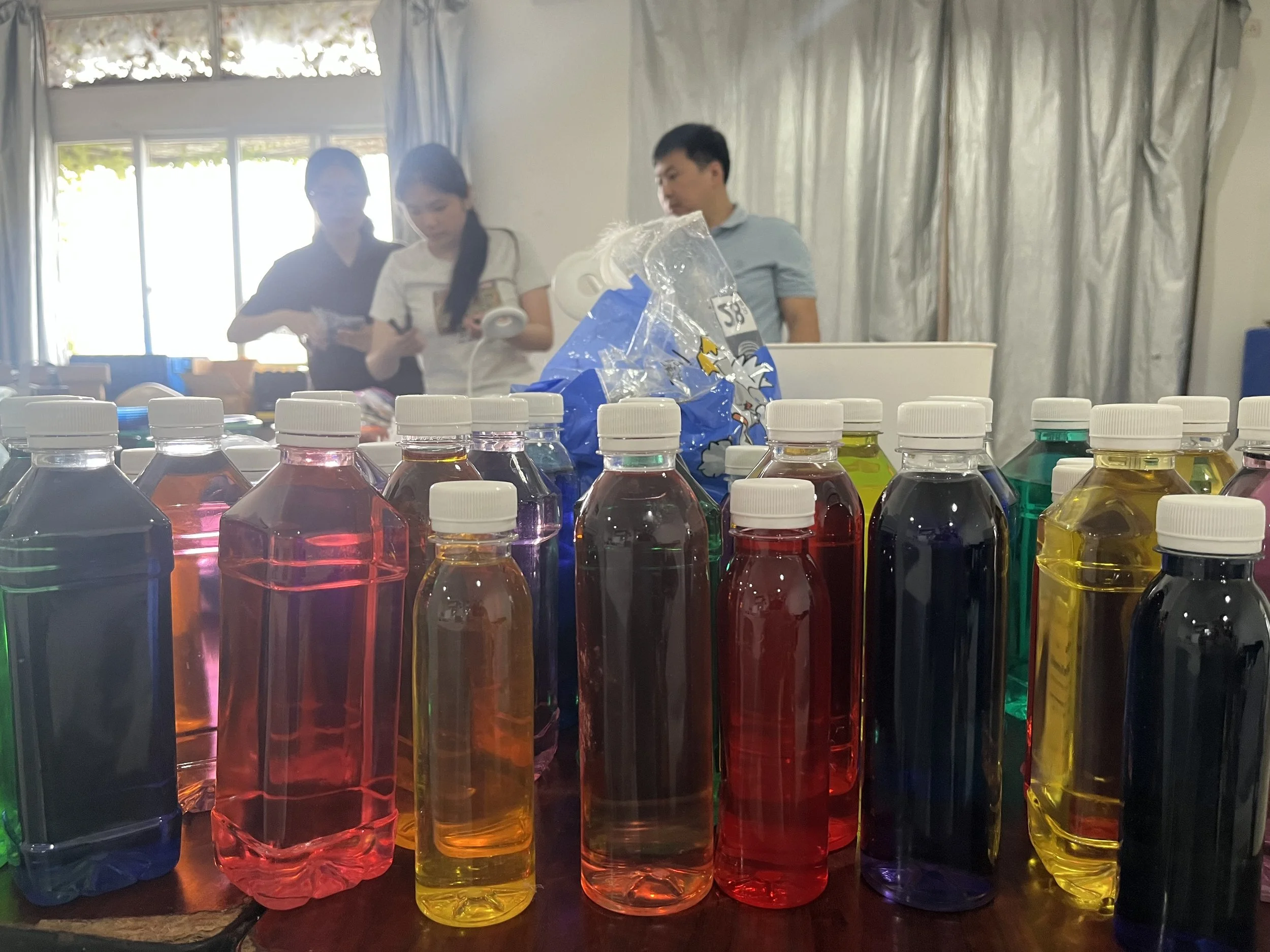
We prepared a long list of tools, materials and equipment for the YiPai team to collect so that we could be supportive and follow participants ideas (almost) wherever they might lead. And to this effect, for the first two days after arriving in China we organized the parts, created flexible working spaces, covered tables with white paper and built a mini shop in an office space for the factory. When participants started exploring phenomenon this collection of accessible tools and familiar materials allowed them to try unexpected ideas and go in new directions.
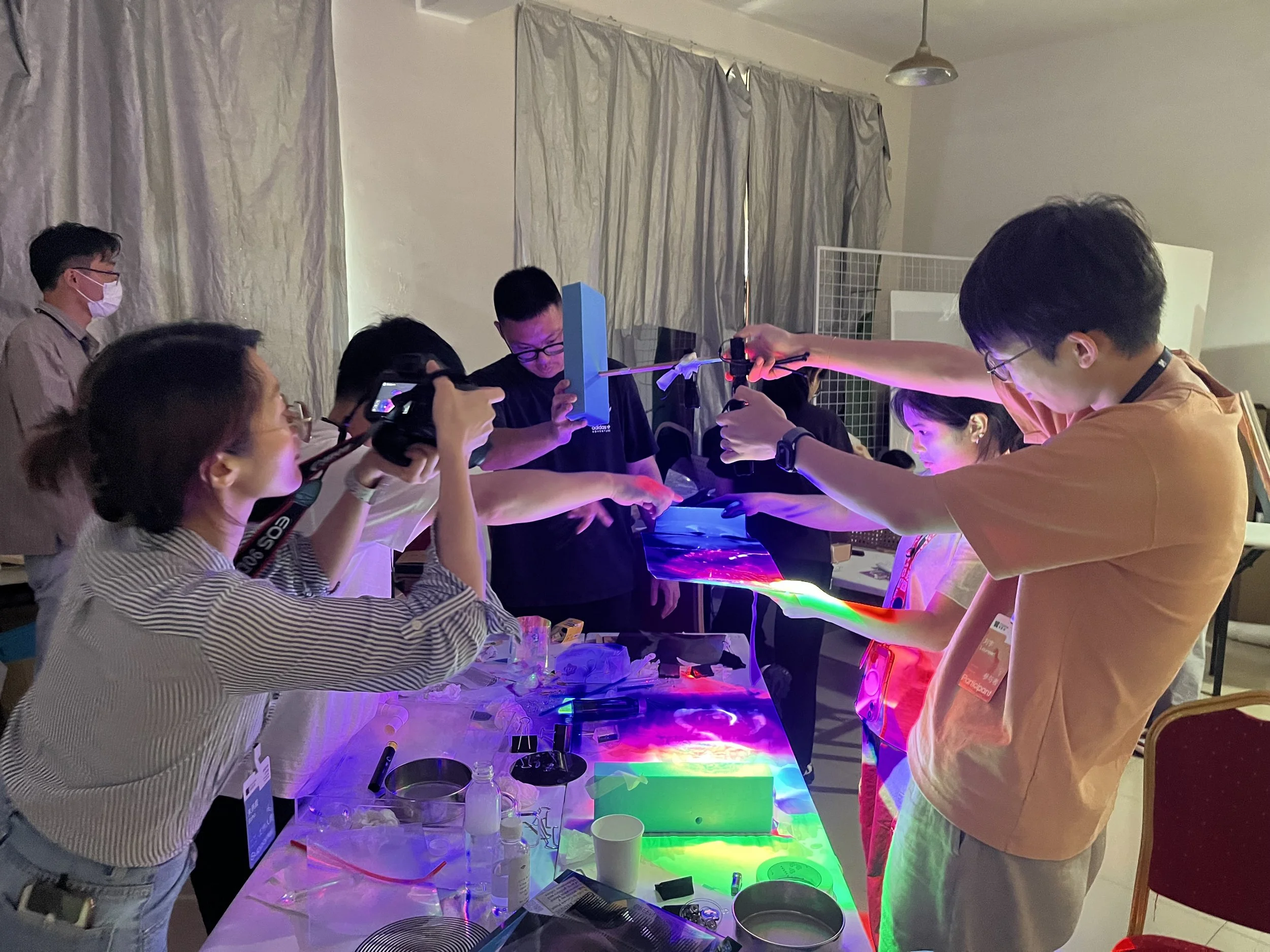
For the workshop, the most important thing we tried to communicate is the importance of play and exploration in the prototyping process. Our vision of developing new tinkering experiences is non-linear, non-terminal and not based on the concept of a individual ‘designer’ for each prototype. The collaborative environment, wide range of materials and group dynamic lead to many new ideas, each with lots of possible directions to explore in the future.
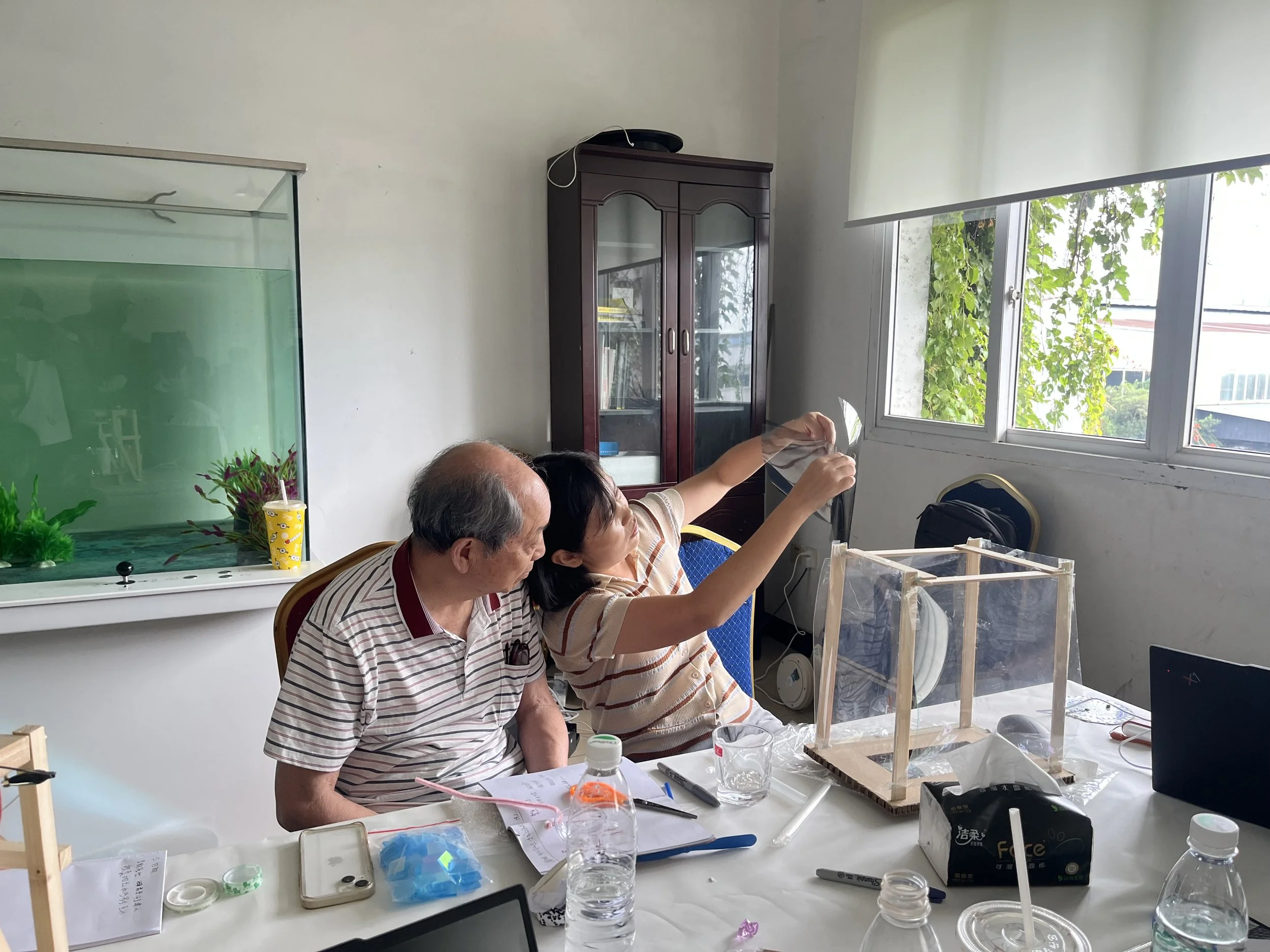
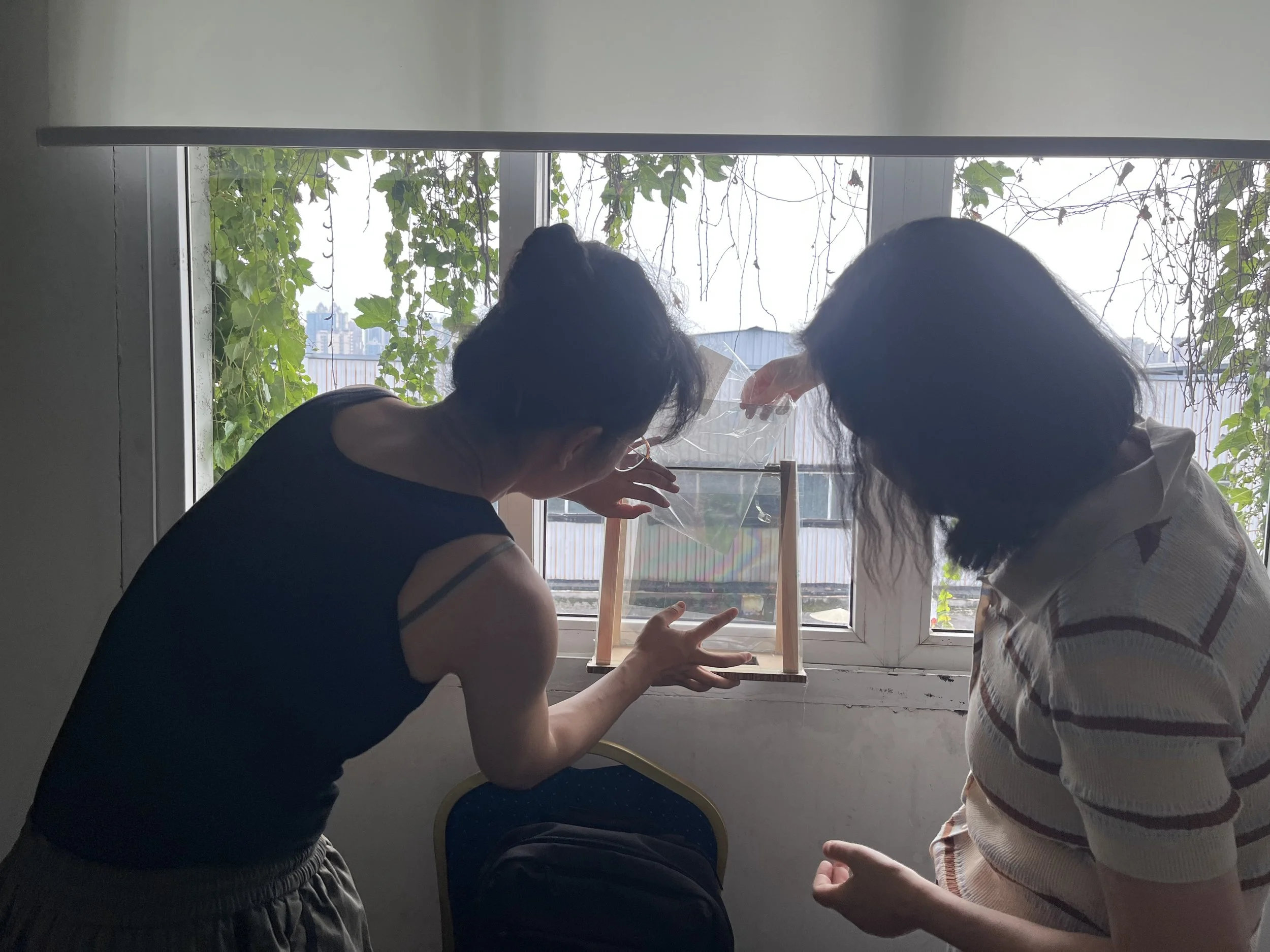
A good example of this process was an in-depth exploration of polarizing effect during the first three days of the workshop. Through playful experimentation, the group created floating objects that moved in a stream of air created by a small fan in clear box with polarized windows. This led to constructing windmills made from clear materials that created a transparent effect while spinning. Eventually they imagined a delightful collection of spinning sculptures that revealed the properties of polarization. These little moments like taking glasses off to test on an overhead projector face making exhibit or adding an LED to a boat to trace the path using long exposure photography deserve to be documented and followed. If we started with trying to just efficiently and clearly communicate the science content we would have missed out on lots of interesting and potentially fruitful ideas.
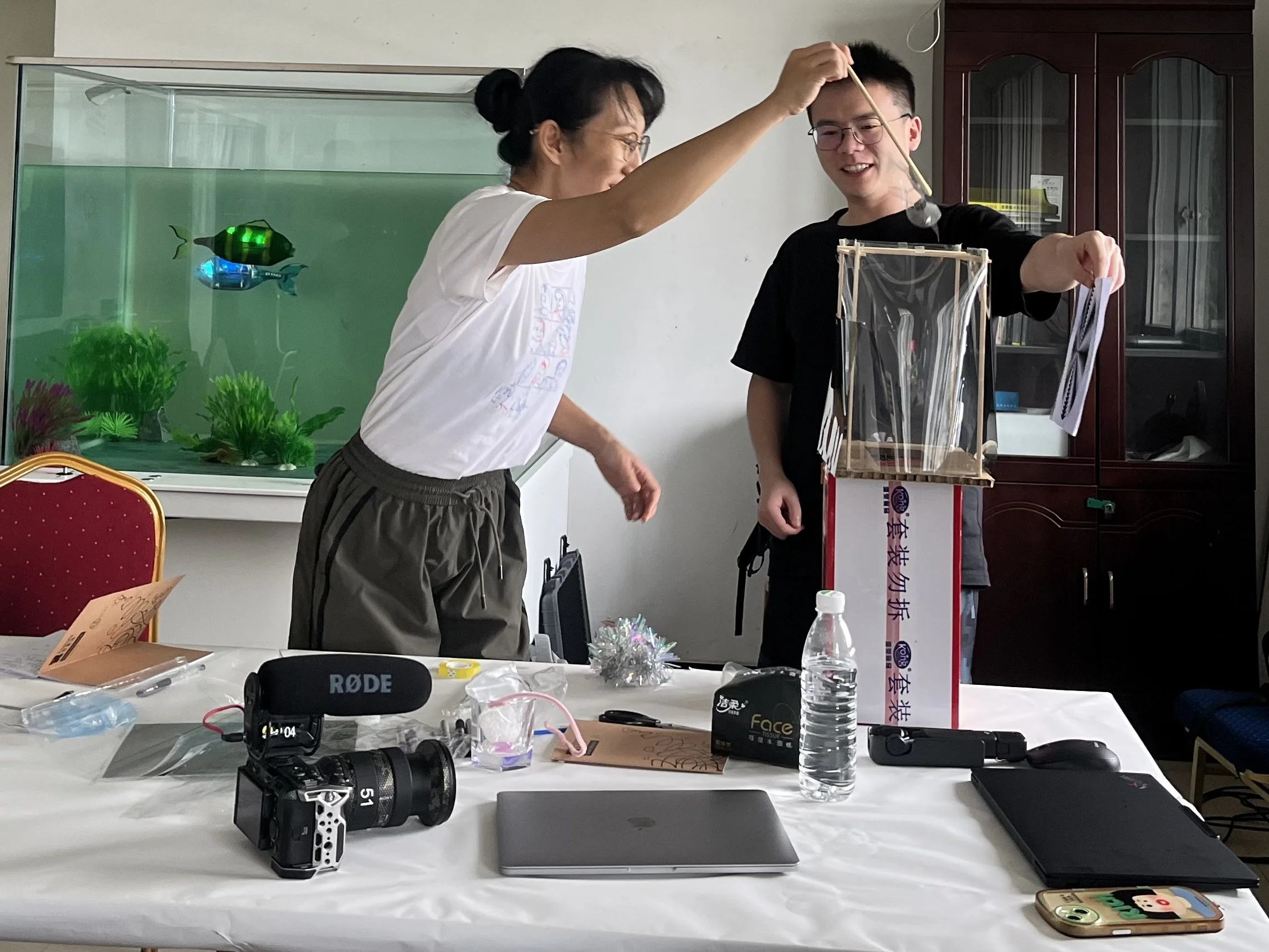
The open environment and structure of the workshop allowed for everyone to participate and take part in the session. One of my favorite moments happened in the aforementioned polarizing filter exploration where a cameraman assigned to film the event started tinkering with the in-progess prototype. This connection and collaboration led to new ideas and conversations that improved the exhibit. And in the second round of prototyping, the members of the film crew got even more involved with the light painting water craft project, lending their expertise to the exploration.
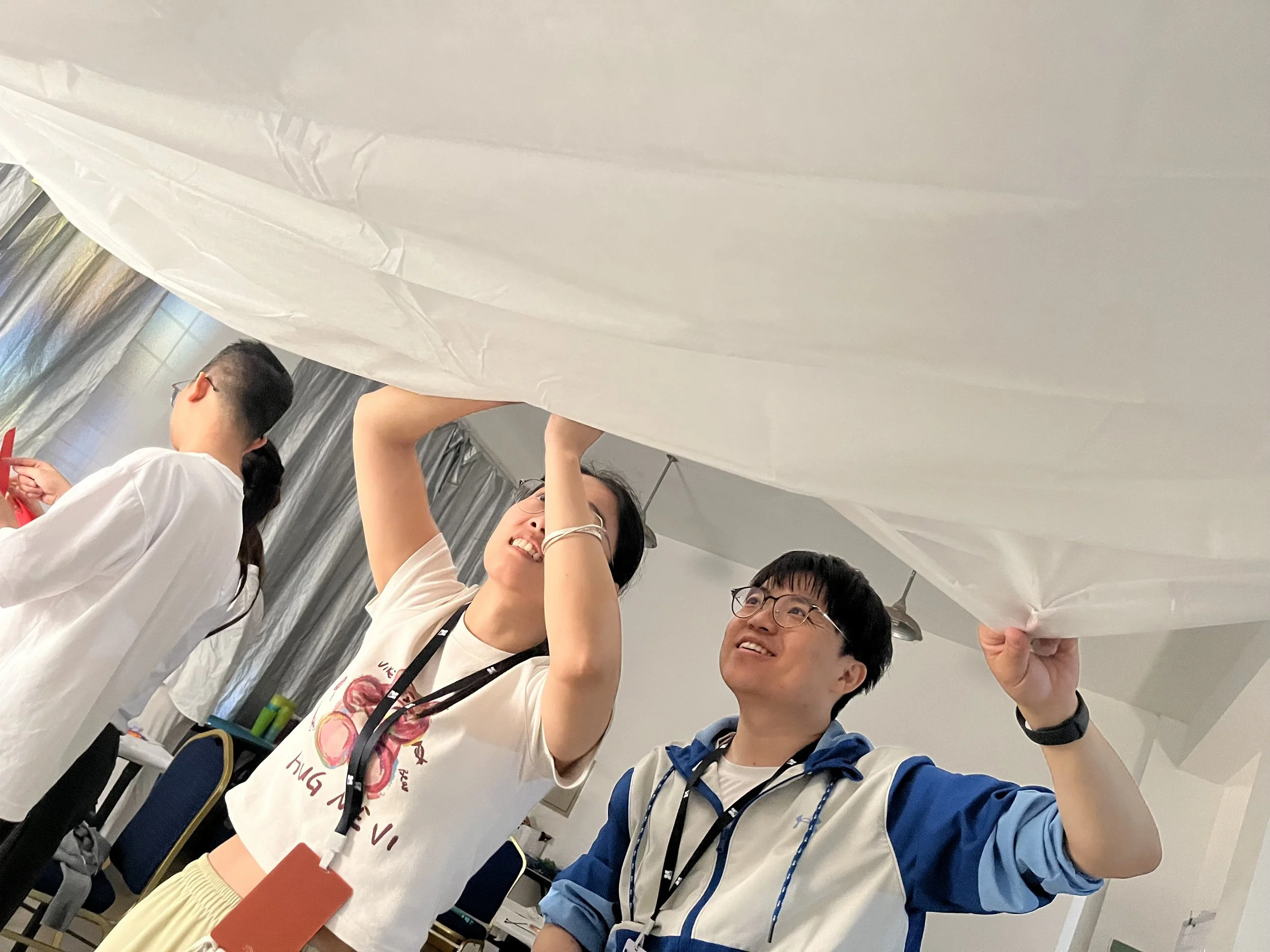
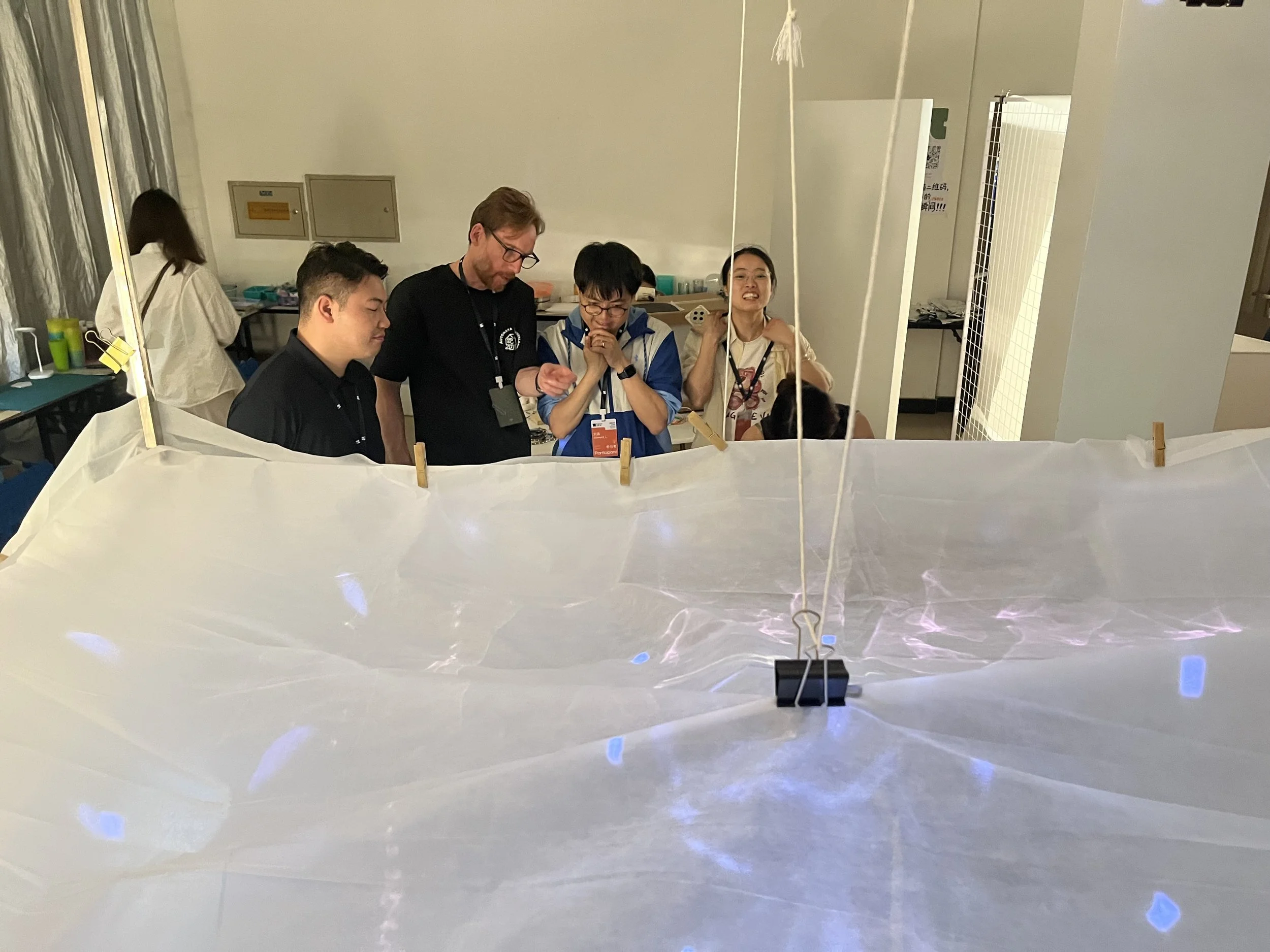
As we dove into the explorations, we thought carefully about creating prototypes to help us understand what the experience for visitors could “look like” and what they might “feel like”. Part of the workshop focused on developing our instincts to know what and when to test, what questions to ask and how to get the information needed to decide to move forward or not. One group made a large scale light play environment where people could crawl inside and construct light and shadow sculptures. I could imagine that this might work well as a large scale plywood structure with multiple collaborative “light play caves”, but before taking the time to build a large prototype, it’s important to test out the activity and share ideas with colleagues to see if it makes sense as a learning experience.
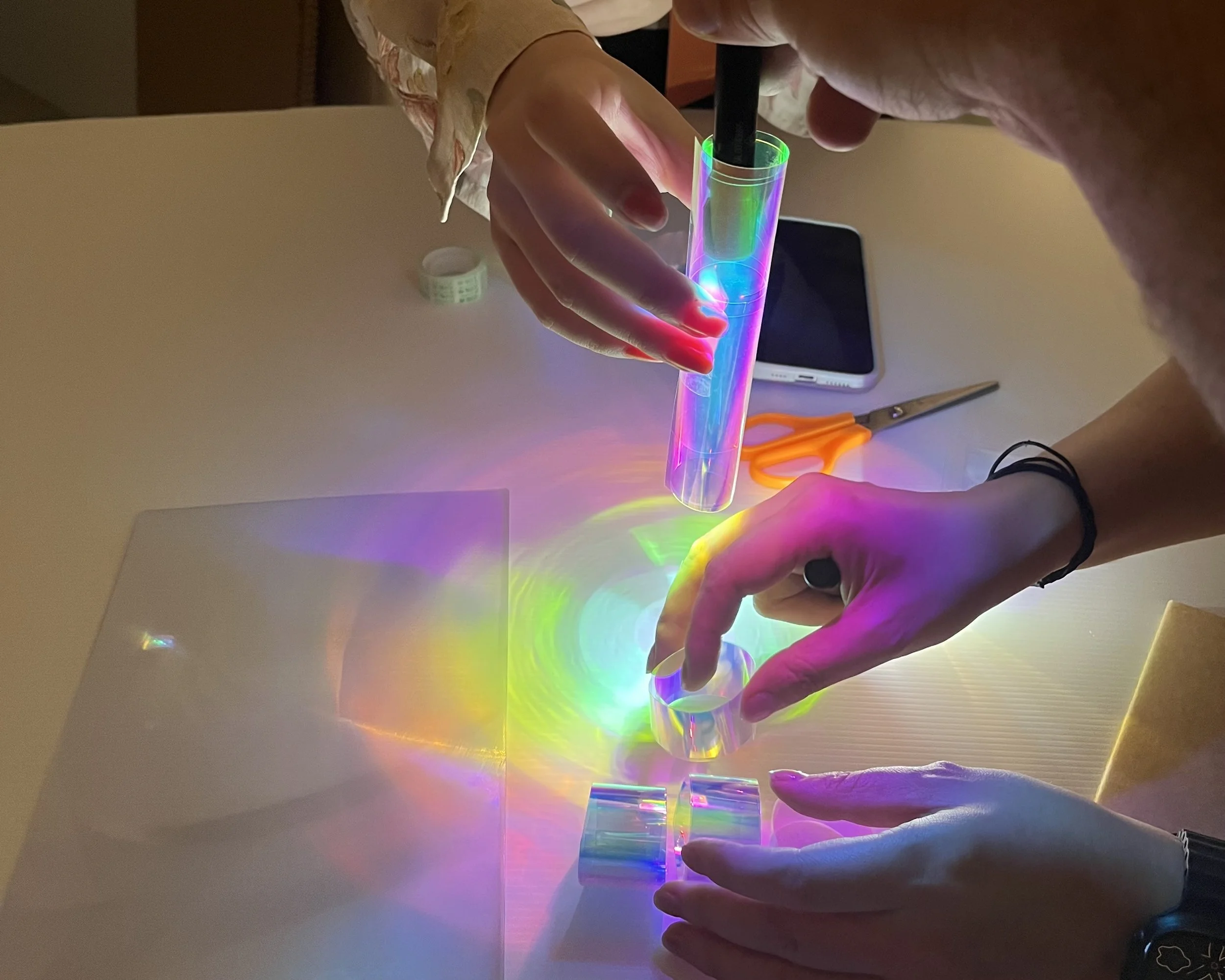
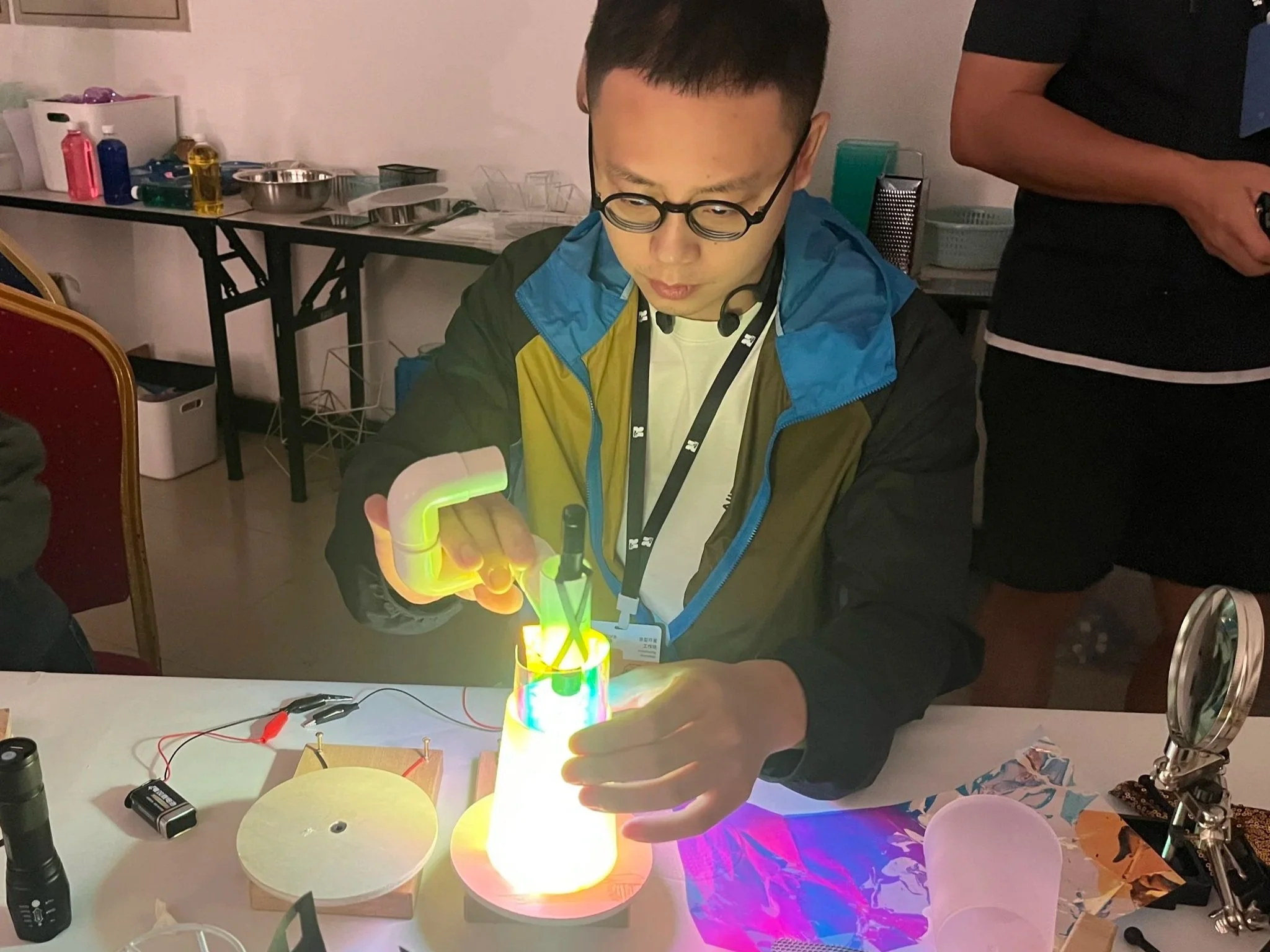
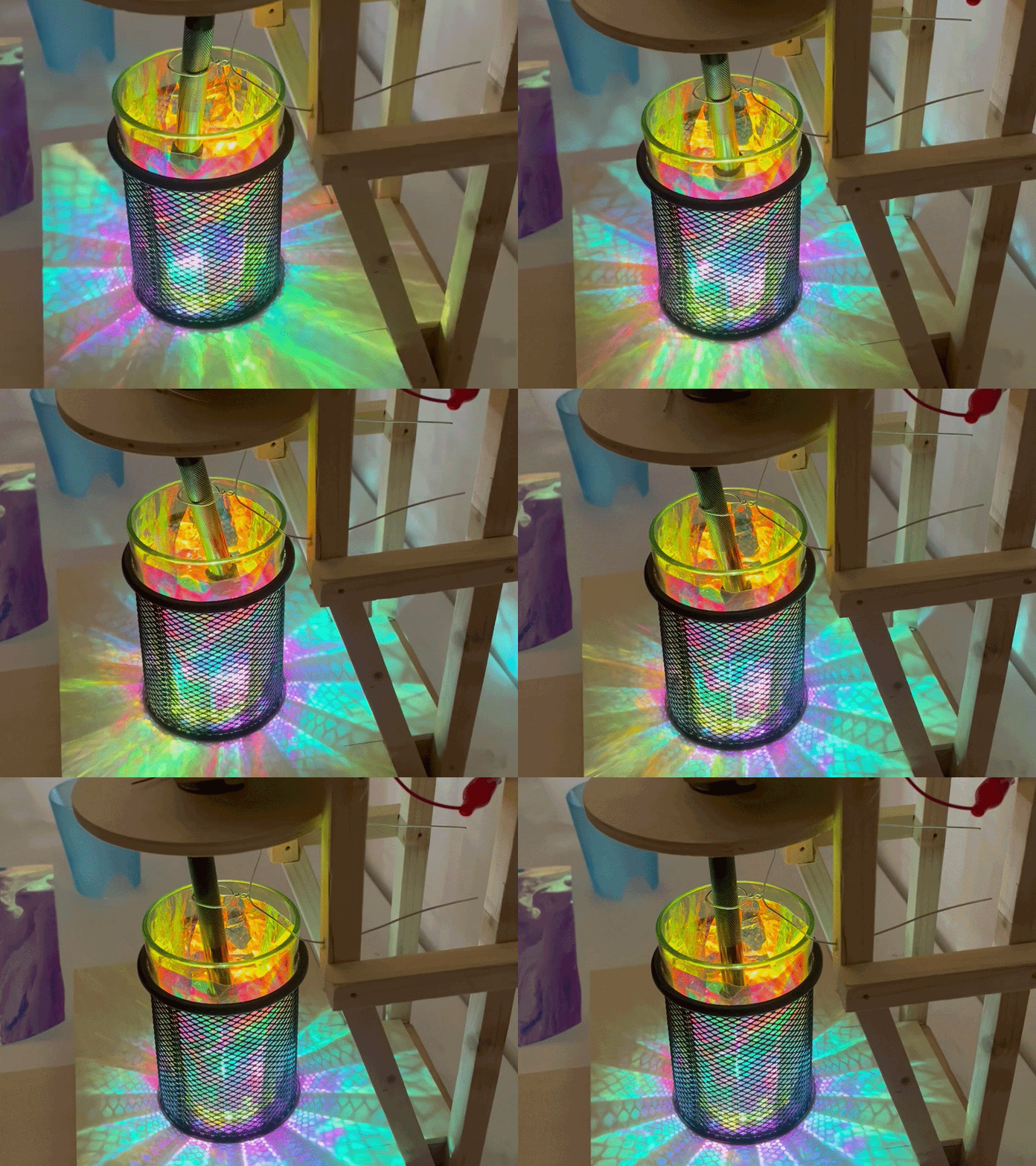
The flexible structure supported people to work in groups or pairs but also reinforced the idea that the prototypes develop out of a collaborative approach and we don’t need to take ownership of ideas. In the Tinkering Studio, some of the most loved activities and exhibits resulted from a process where we couldn’t definitively say who had the original idea. In our workshop, we saw so many moments where a discarded example or early experiment from another groups was taken on and developed further by someone else (sometimes without them even knowing). For example on the first day of light and shadow prototyping one group did several explorations of dichroic materials moving in and out of flashlights. These tests influenced guest artist Yu Chenrui to make a brilliant motorized automata machine.
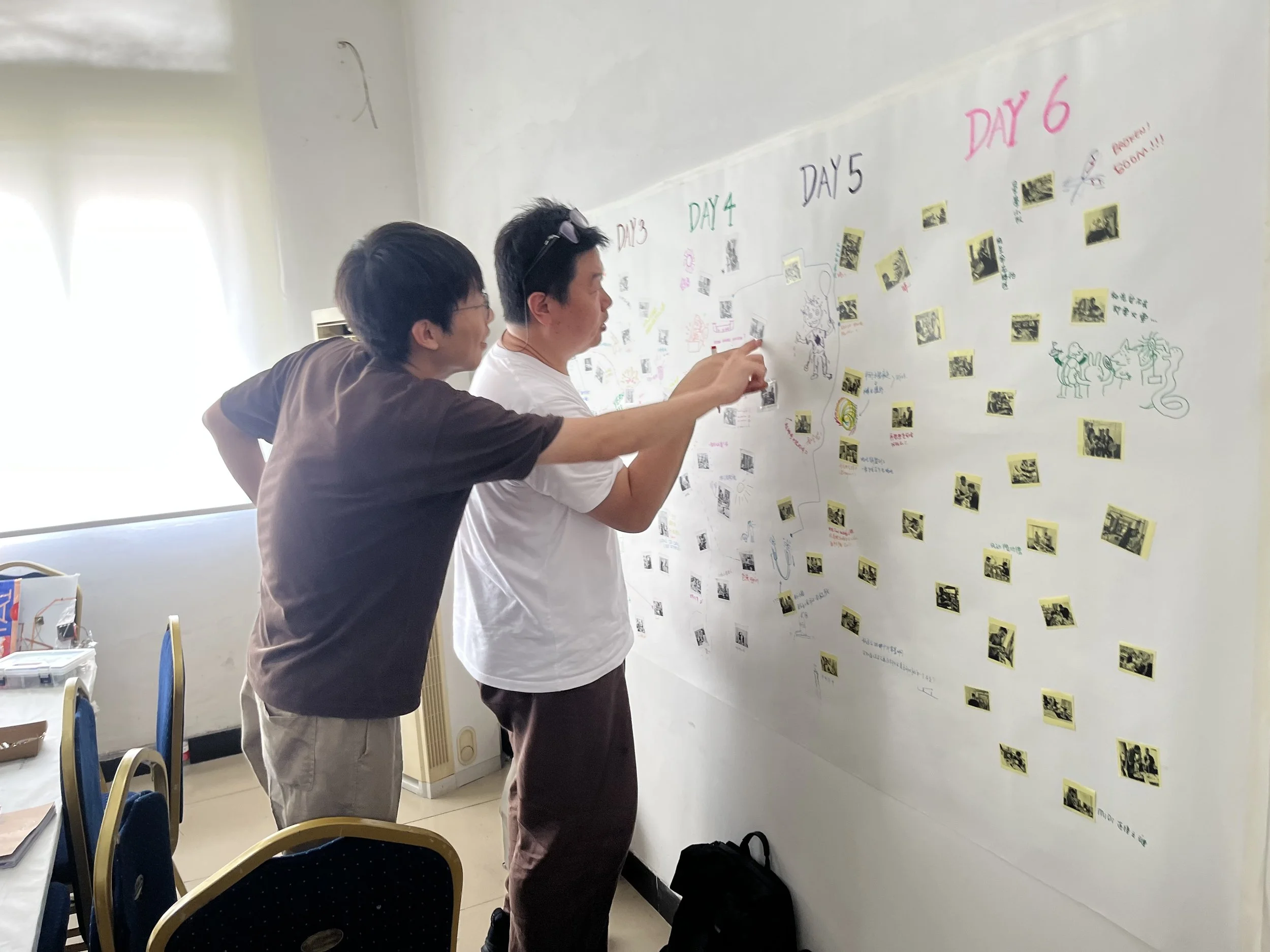
Since there were so many diverse ideas and prototypes that evolved over time, it was important to think abou documentation and tools to help the group reflect on the process. One tool was a shared padlet page where we collected lots of proofs of concepts and starting points. As well I got inspired by the book Learning by Heart by Corita Kent and Jan Stewart to make a physical timeline in the space with black and white photos and notes by participants. Each morning we spent the first half hour in informal conversation and encourages participants to add notes or drawings to the board. I think that it was important to have time to work on both of these elements during the workshop sessions and I’m personally excited to keep developing this tool.
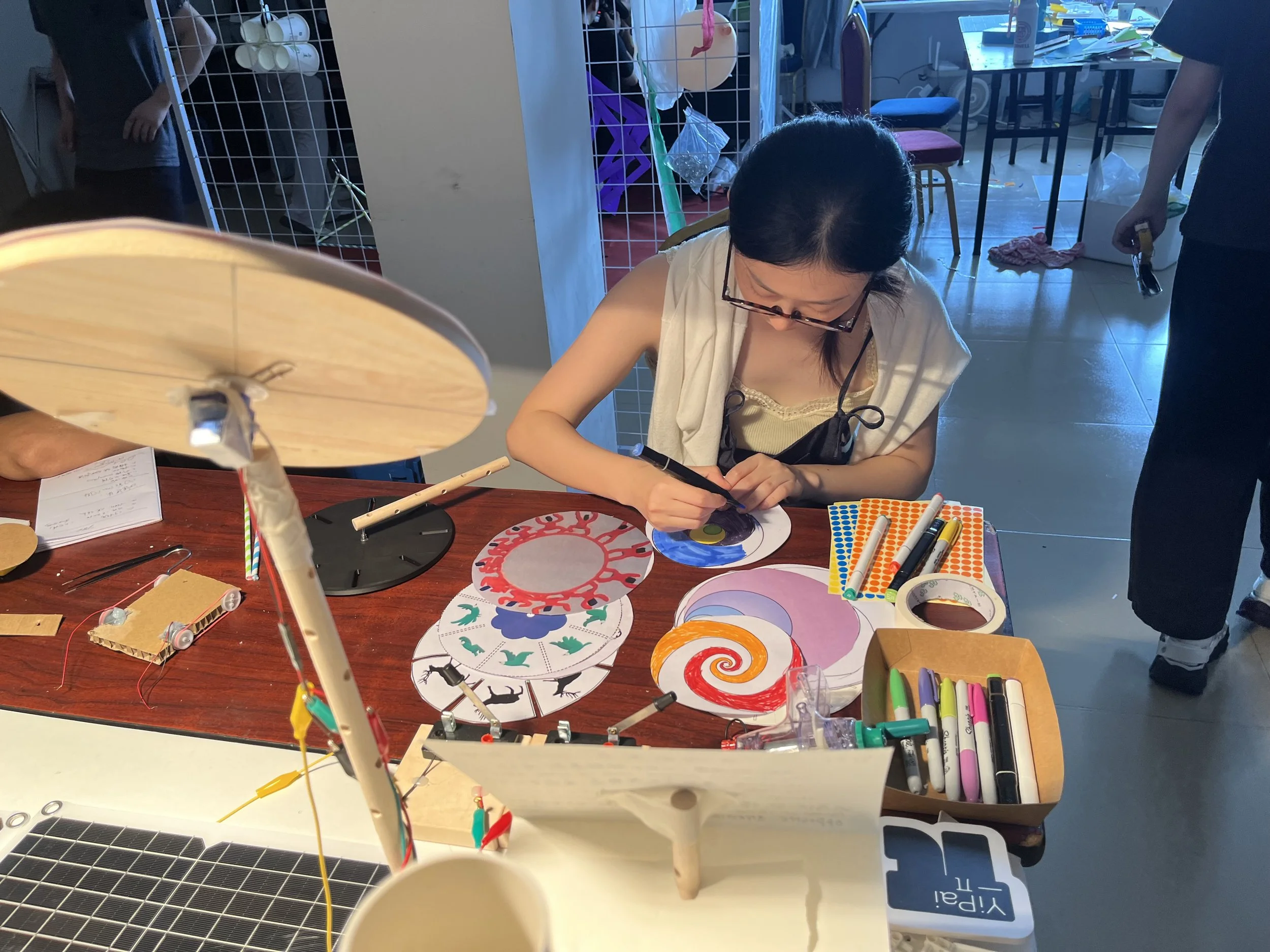
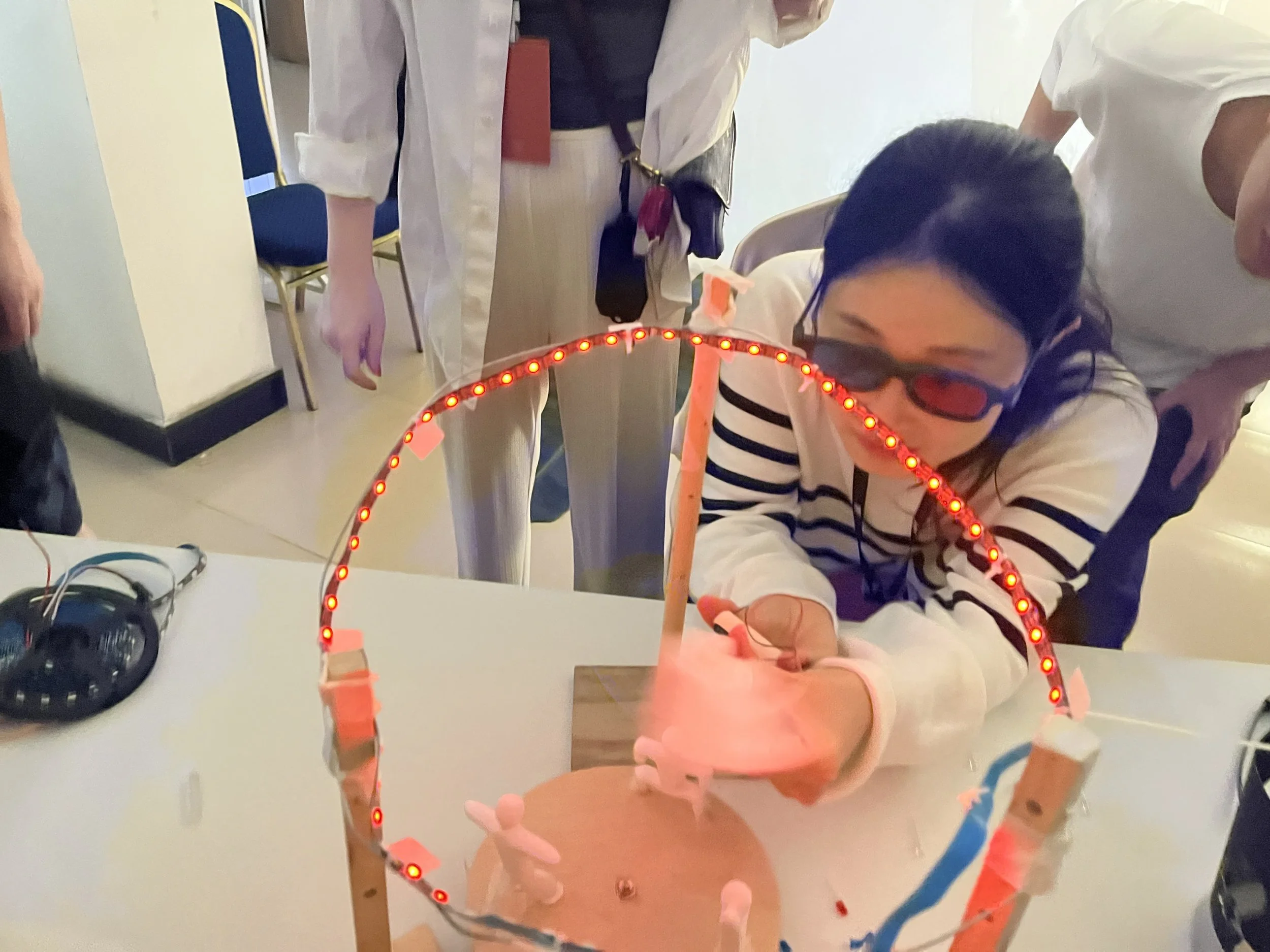
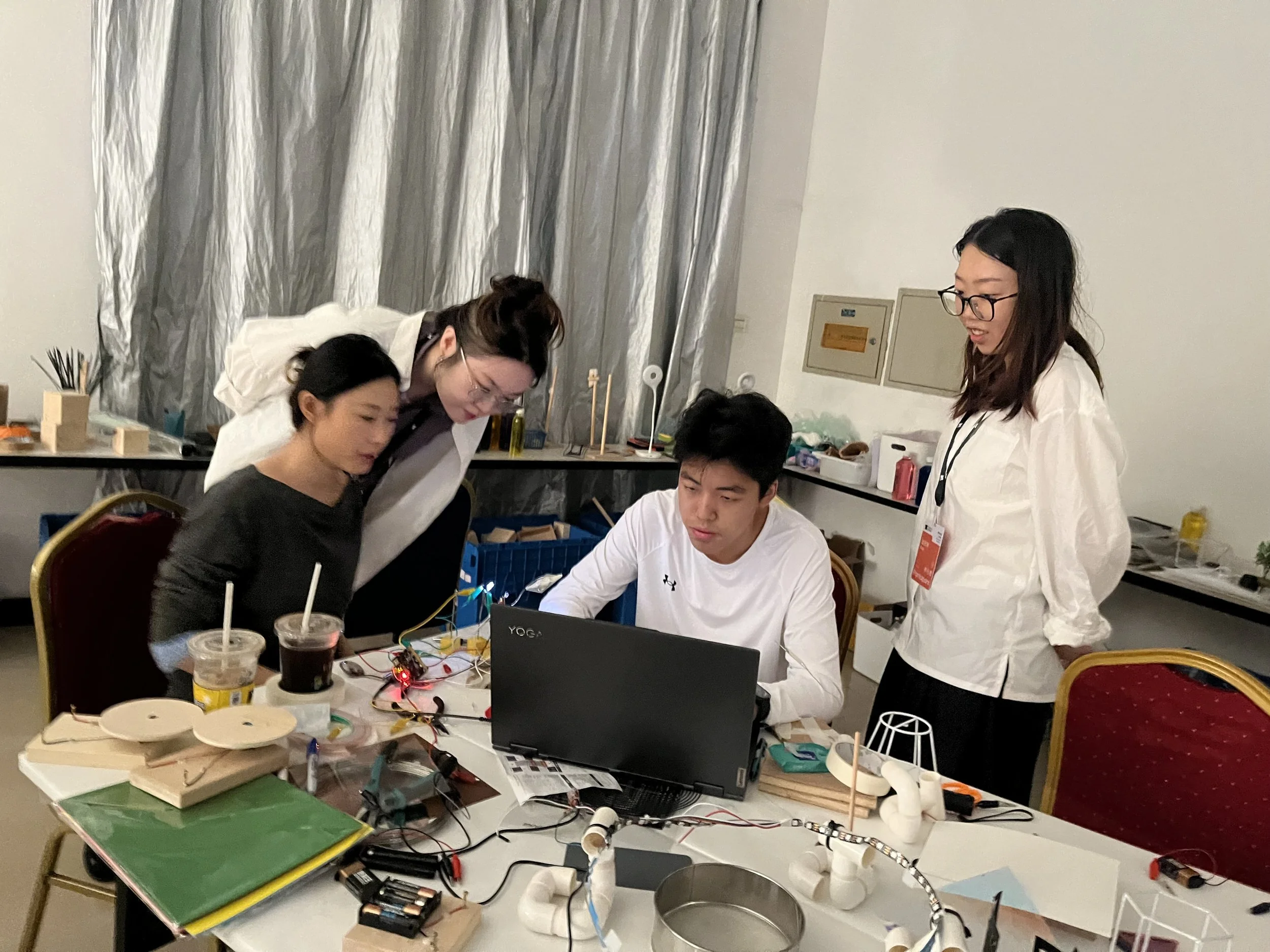
One thing that I shared in my initial presentation was to remember the prototyping process takes time. The process to develop new activities takes months or years and often never reaches an “end point”. One experience that stood out to me was a extended exploration of zoetropes that spanned all six days of the workshop. A group of colleages from YiPai started out their light and shadow time with a vague idea of wanting to animate stories using flashing lights. We tried lots of things like single LEDs reflecting off mirrors to make a Ghost Horse effect, strobing lights from a neo pixel ring and swinging lights changing shadows. At the end of the first part of the workshop they had a lot of starting points but nothing that worked as a proof of concept or clear direction for what to try next. I could tell that they were a bit disappointed but I tried to keep the emphasis on the process.
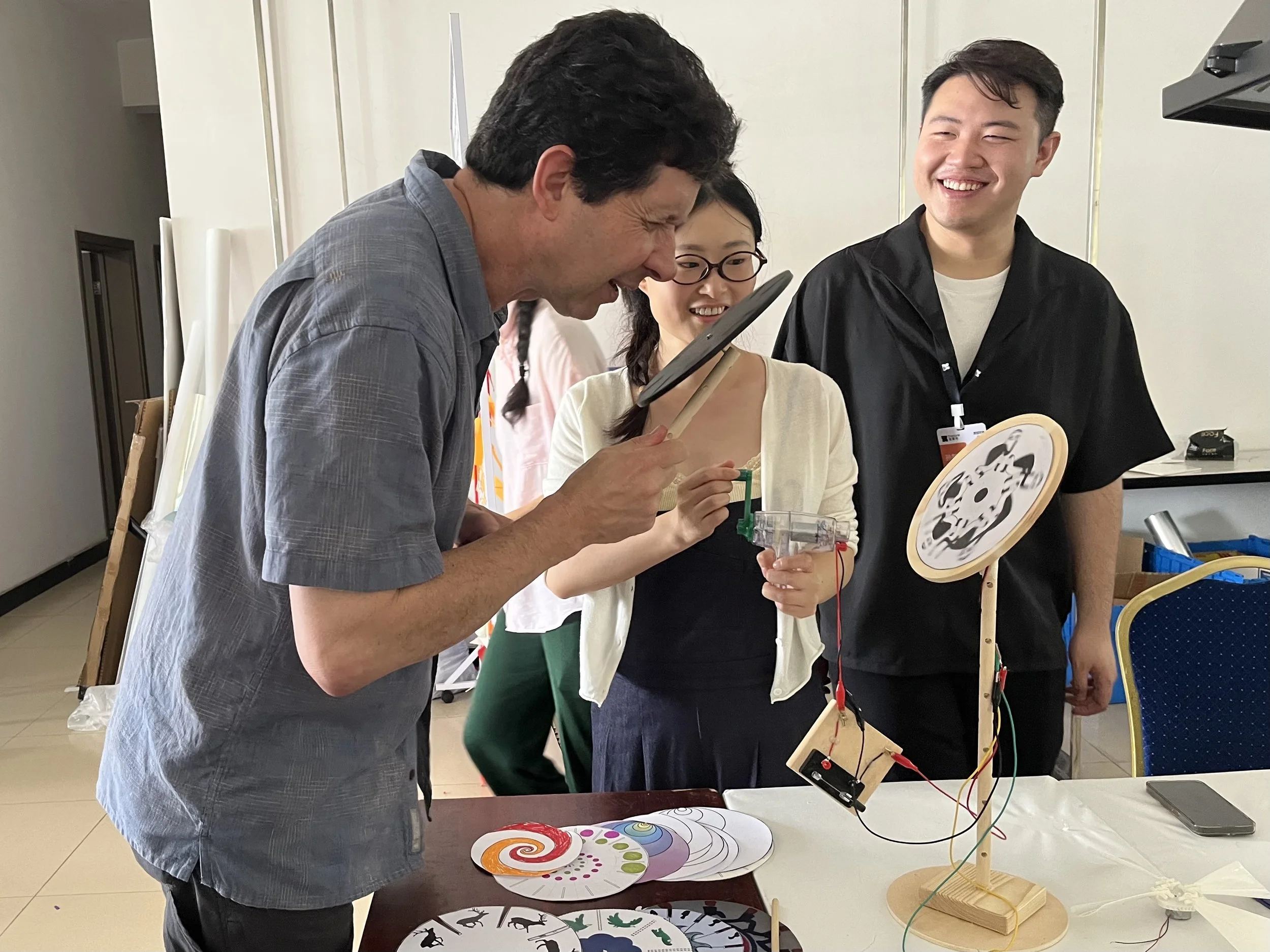
In the second round of prototyping a slightly different configuration of participants continued working on the same idea, eventually making a really neat solar powered zoetrope that could be adjusted by covering the solar panel and changing the speed of the spinning discs. The concept for this prototype worked nicely and gave an unexpected but compelling reason for a visitor to play with covering parts of the solar panel and noticing the effects. I think that this more fleshed out concept could have only emerged after all of the starting points and trials from the first days.
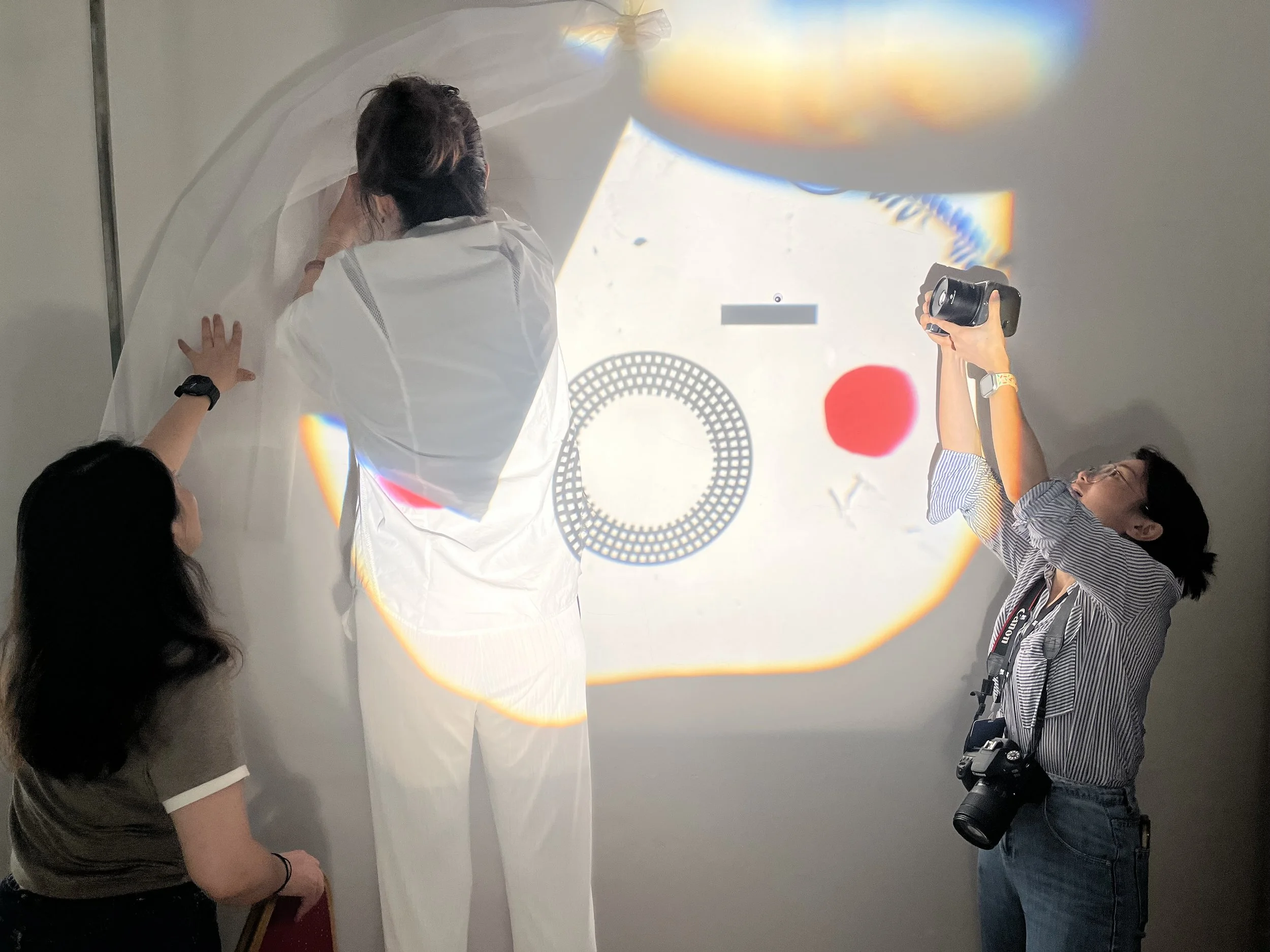
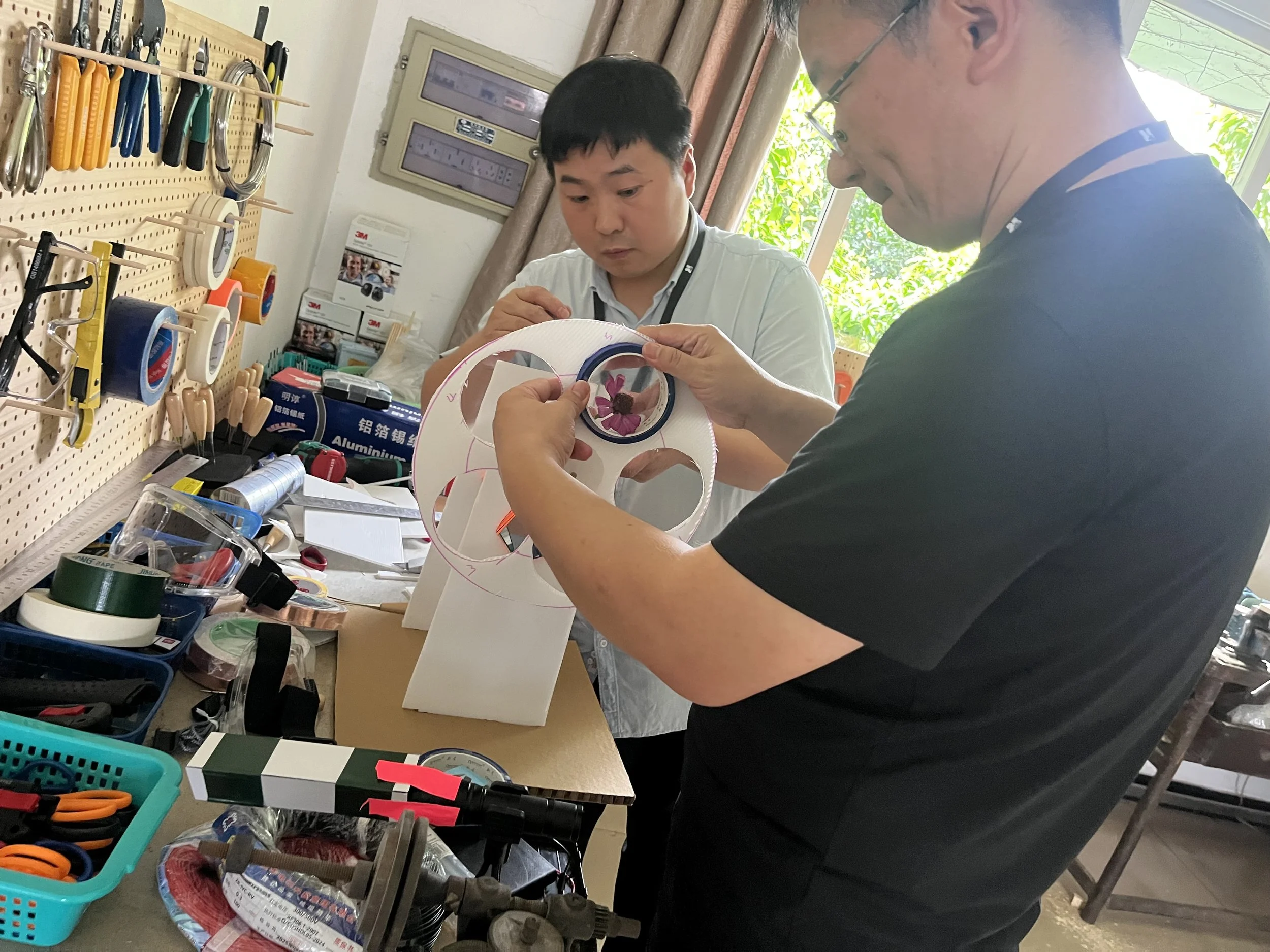
At the end the most important thing that we focused on was that the prototypes supported the learners’ experience. We steered participants away from exhibits that directly communicated content or were just tools for presentation. We hope to continue to develop exhibits and activities allow for learner driven explorations, unexpected outcomes, collaborations and personally meaningful moments of discovery.
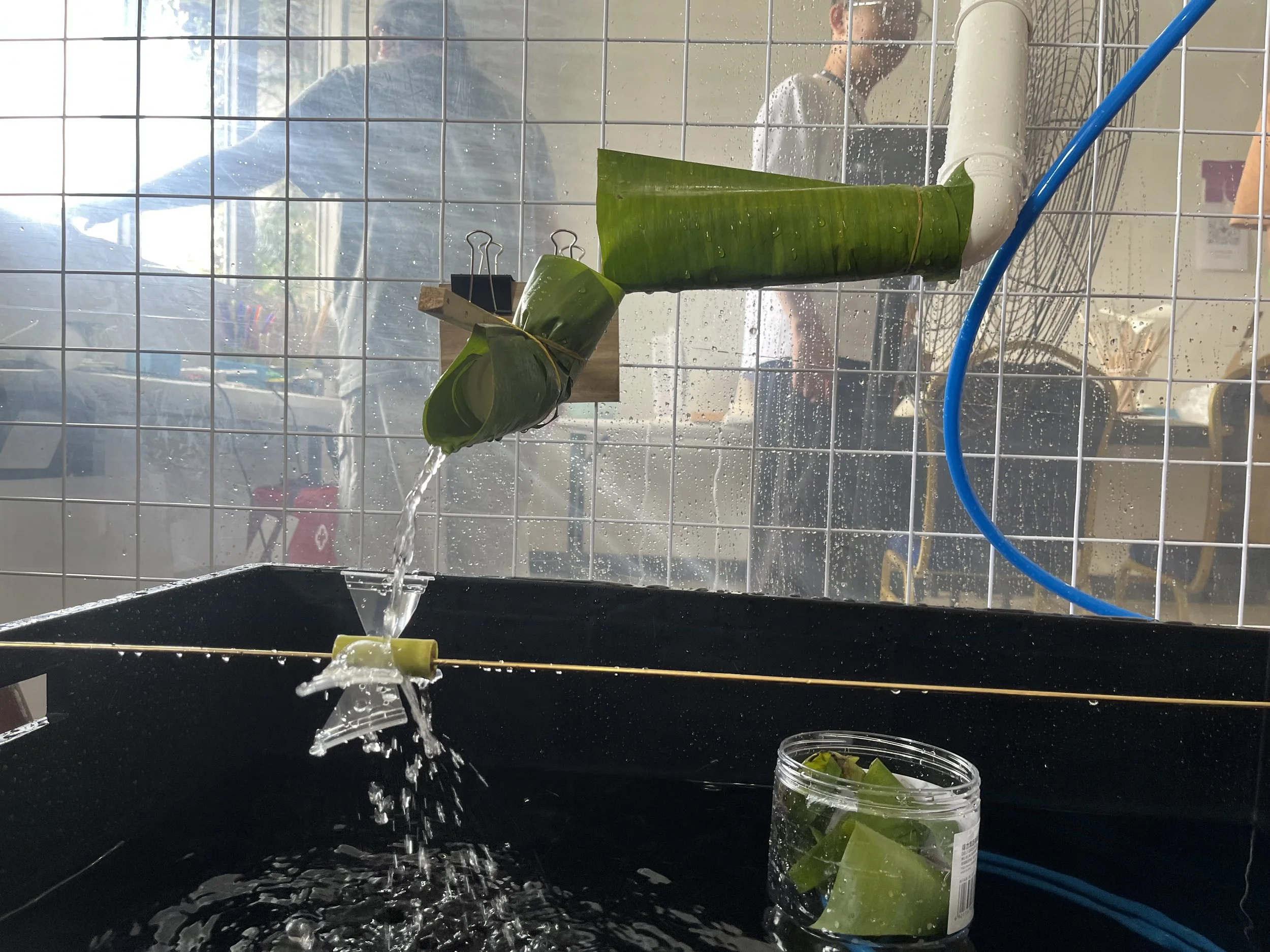
One of the participants from the workshop, artist Kaiqin Zhang described the workshop goal as “long-term labor to cultivate the soil before anything can grow” and then reflected that “only when the soil is healthy and well cared for, can flowers and fruit grow naturally over time”. It was really fun to start preparing this “fertile soil” with the Yipai team and I look forward to seeing how these ideas and prototypes continue to develop over time.